What is pediatric critical care?
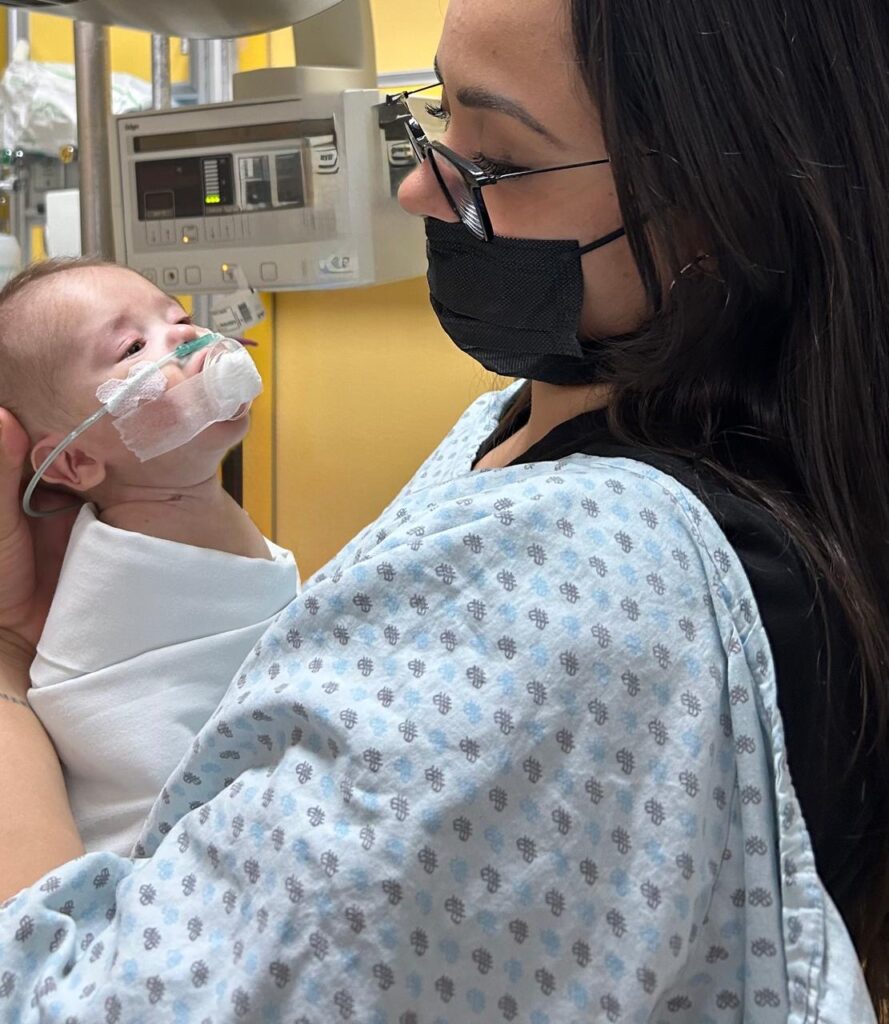
What is Pediatric Critical Care? In the world of parenting, the word “critical” usually signals a moment of profound fear. However, in medicine, pediatric critical care is more than a department. It is a higher standard of vigilance, technology, and specialized expertise. This specialty is designed to protect a child’s life during their most vulnerable moments. At Jaqueline De Loera Lamas Pediatrics, we believe that understanding its scope can transform fear into a sense of security. Defining Pediatric Critical Care Medicine: Specialized Support for Serious Illness Pediatric Critical Care Medicine is a subspecialty focused on the management of life-threatening conditions in infants, children, and adolescents. A general pediatrician is like a primary care architect. A pediatric intensivist is the “structural engineer” who steps in when the foundation is under immediate threat.A pediatric intensive care unit (PICU) has a much lower nurse to patient ratio than a general floor, often 1:1 or 1:2. This ratio allows for continuous, minute-by-minute monitoring. Our unit is equipped to handle complex conditions, including:Septic Shock: Severe infections that cause blood pressure to drop.Post-Operative Recovery: Monitoring children after major heart, brain, or abdominal surgeries.Status Epilepticus: Prolonged seizures that require intensive medication management.Organ Failure: Providing advanced support for the heart, kidneys, or lungs.By providing advanced pediatric care for serious illnesses, we give the child’s body the time it needs to heal from injury or illness. The Difference Between Routine Consultation and Intensive Care Intervention It is vital for parents to understand how these two worlds of medicine interact to provide a complete “safety net” for their child. The Foundation: Routine Pediatric Consultation Routine care, such as well-child checkups, vaccinations, and growth monitoring, is proactive. It focuses on the long-term trajectory of a child’s health. Your local pediatrician near me is your partner in preventing illness and ensuring your child hits their milestones. This is where the medical history is built a history that becomes vital if a crisis ever occurs. The Intervention: Intensive Care Critical care is reactive and escalatory. It is required when a child’s condition exceeds the capabilities of an outpatient clinic or a general hospital ward. The shift from routine to critical care is marked by the need for continuous intervention, such as intravenous vasopressors to maintain blood pressure or advanced respiratory support. Having a physician like Dr. Lamas, who is an expert in both fields, ensures that the child is never “lost in transition” between wellness and the PICU. For more on the specific symptoms that bridge these two worlds, read our guide on signs a child needs intensive care. Our Compassionate Approach: Keeping Families Informed and Supported Technical excellence is only half of the equation in critical care. The other half is the compassionate approach to family-centered care. We recognize that when a child is in the PICU, the parents are also in a state of crisis. Our multidisciplinary team includes not just medical experts, but also social workers, child life specialists, and chaplains, all dedicated to supporting the emotional health of the family. We prioritize:– The Daily Rounds: Including parents in the morning “rounds” where the day’s medical plan is discussed.– Transparent Communication: Using clear, non-jargon language to explain test results and prognosis.– Physical Presence: Encouraging parents to stay at the bedside, as their presence is a vital part of the child’s healing process.This integrated approach ensures that while we are treating the child’s physical condition with the latest evidence-based medicine, we are also honoring the bond between parent and child.
Signs a Child Needs Intensive Care
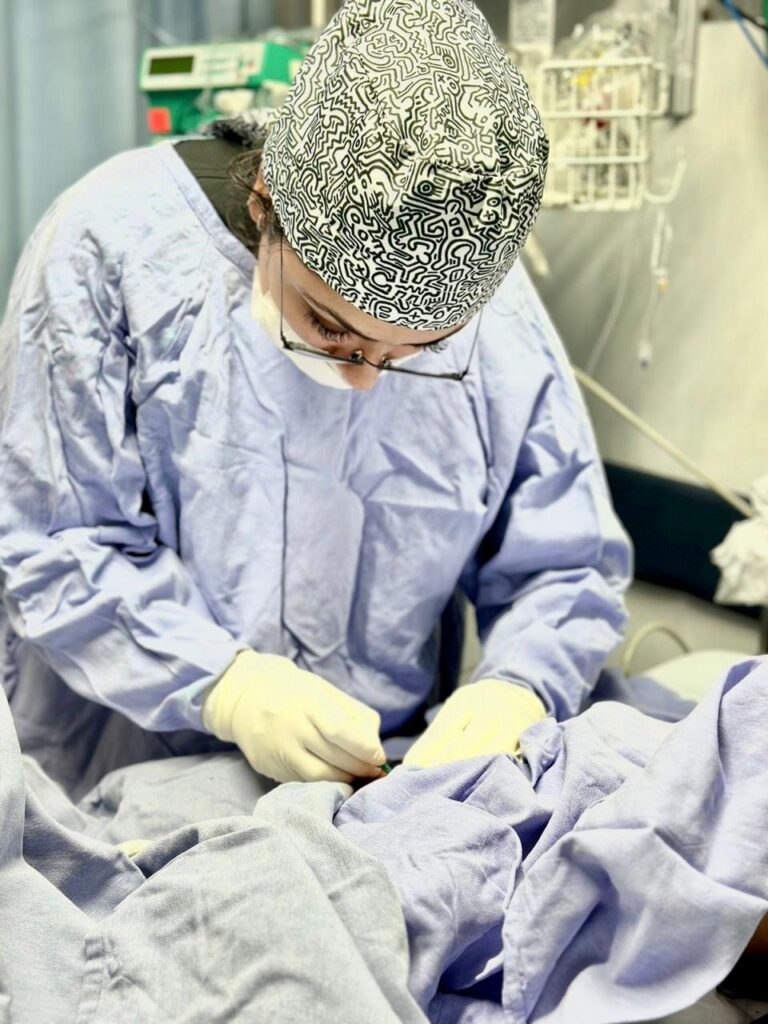
Recognizing the Signs a Child Needs Intensive Care As a parent, your intuition is one of your most powerful tools. However, during a medical crisis, recognizing the clinical signs a child needs intensive care can make the difference between a routine recovery and a life-threatening situation. At Jaqueline De Loera Lamas Pediatrics, our mission is to empower parents with the knowledge they need to recognize when acting fast is the only option. Identifying Critical Red Flags: Breathing, Level of Consciousness, and High Fevers Children are resilient, but they also have a tendency to “compensate” well until they suddenly don’t. A child might look relatively stable for a long time, using every ounce of energy to maintain their vital functions, before reaching a “tipping point.” Recognizing the red flags before this crash occurs is essential for pediatric emergency care. 1. Respiratory Red Flags (Work of Breathing): – Retractions: Look at the base of the throat or under the ribcage. If the skin is “sucking in” with every breath, the child is working too hard. – Nasal Flaring: If the nostrils are widening significantly during inhalation, it is a sign of respiratory distress. – Grunting: This is a rhythmic sound made during exhalation; it is the child’s way of trying to keep their own airways open. 2. Neurological Red Flags (Level of Consciousness): – Extreme Lethargy: This is not just “being tired.” If you cannot wake your child for a feeding or if they are unable to recognize you, their brain may not be receiving enough oxygen or glucose. – Inconsolable Irritability: If a child cannot be settled by their primary caregiver, it can indicate severe pain or neurological distress. 3. Circulatory Red Flags (High Fevers and Perfusion): – Poor Capillary Refill: Press on your child’s fingernail until it turns white. If it takes longer than 2 seconds to turn pink again, their circulation may be compromised. – Mottled Skin: A “lacy” or purple pattern on the skin can be a sign of shock. When Seconds Count: Navigating Pediatric Emergency Care If you recognize any of the signs above, the situation has moved beyond a standard pediatrician near me inquiry. You are now in the realm of emergency stabilization. Immediate Triage: Do not wait for a callback from a nurse line. If your child is struggling to breathe or is unresponsive, call emergency services (911) immediately. The ABCs: Emergency responders will focus on Airway, Breathing, and Circulation. They may provide supplemental oxygen or fluid resuscitation on the way to the hospital. The Transition to the PICU: Upon arrival at the emergency department, a specialized pediatric intensive care unit team may be paged to take over. This team is expert in “stabilizing the unstable.”Understanding the specific pediatric ICU treatment for respiratory infections can help you prepare for what the doctors might suggest if your child’s emergency is breathing-related. The Critical Care Difference: How Our PICU Team Stabilizes Your Child When a child enters our care in an emergency, we use a multidisciplinary approach to rapid stabilization. This approach is the hallmark of advanced pediatric care for serious illnesses.Stabilization involves more than a single doctor. It requires a coordinated effort among pediatric intensivists, respiratory therapists, and specialized nurses. We may use hemodynamic monitoring to check blood pressure internally. We also use bedside ultrasound to assess heart and lung function in real time.This “precision medicine” allows us to treat the root cause of the emergency, whether it is sepsis, trauma, or severe asthma, while supporting the child’s vital organs. Our goal is to move the child from a state of crisis to a manageable recovery as quickly and safely as possible.
Pediatric ICU treatment for respiratory infections
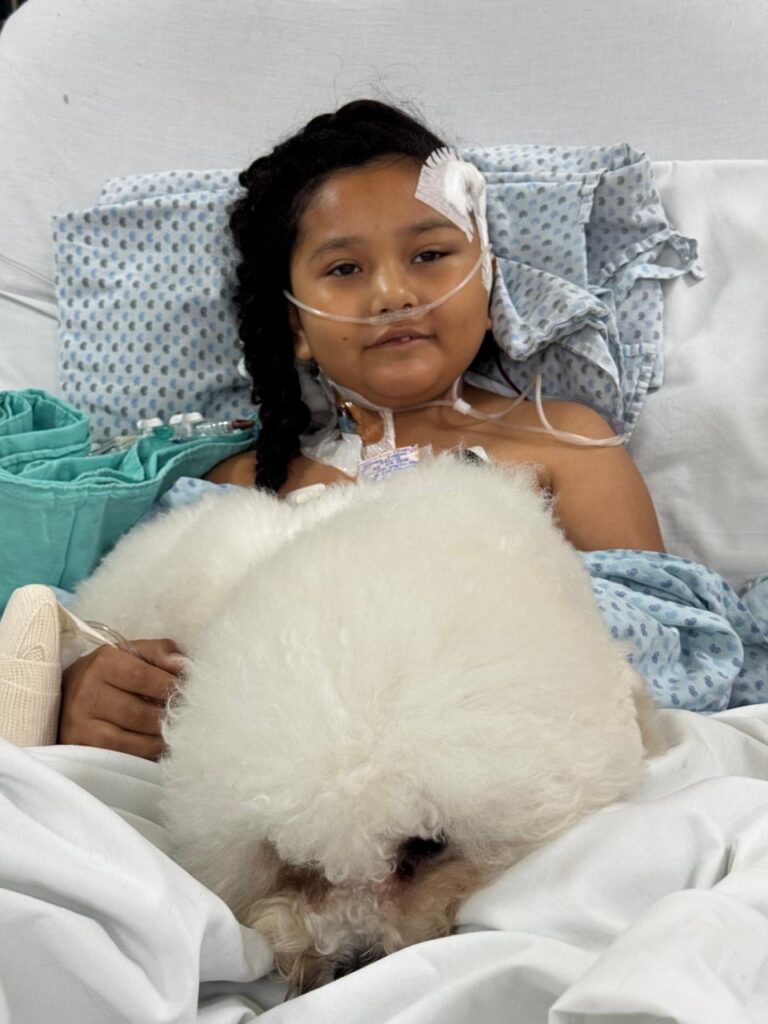
Advanced Pediatric ICU Treatment for Respiratory Infections When a child suffers from a severe respiratory illness, the shift from home care to the Pediatric Intensive Care Unit (PICU) can be terrifying for parents. At Jaqueline De Loera Lamas Pediatrics, we understand that respiratory health is the cornerstone of pediatric stability. Our practice specializes in advanced care pediatrics. We provide a seamless transition for children who need more than a routine clinic visit to breathe comfortably. Understanding Serious Respiratory Infections in Children Respiratory infections are among the most common reasons for pediatric hospitalizations. Most cases of the common cold or mild flu are managed with rest and fluids. However, certain pathogens such as Respiratory Syncytial Virus (RSV), advanced pneumonia, or severe influenza can lead to critical airway obstruction or lung inflammation.In a healthy child, breathing is effortless. However, an infection can quickly compromise a child’s small airways. This is particularly true for infants because their respiratory systems are still developing.When a child’s body can no longer maintain adequate gas exchange, they enter a state of respiratory distress. Gas exchange means getting oxygen in and carbon dioxide out.In these instances, the importance of vaccinations and early well-child checkups cannot be overstated because they often serve as the first line of defense. When prevention is not enough, the pediatric intensive care unit becomes the necessary environment for stabilization. Specialized ICU Interventions: From Oxygen Support to Advanced Monitoring The PICU is defined by its ability to provide high-level intervention that is simply unavailable in a standard ward. When a child is admitted for respiratory failure, our team employs a tiered approach to oxygenation and ventilation. High-Flow Nasal Cannula (HFNC): This is often the first step in advanced support. HFNC delivers heated and humidified oxygen at higher flow rates than standard nasal prongs, providing “dead space” washout and a small amount of positive end-expiratory pressure (PEEP) to keep the lungs open. Non-Invasive Ventilation (CPAP/BiPAP): If HFNC is insufficient, we use masks that provide continuous or bilevel pressure. They assist the child’s breathing without the need for an invasive tube. Mechanical Ventilation: In the most severe cases of respiratory failure, a child may require intubation. Our PICU uses state-of-the-art ventilators that allow for lung-protective strategies. This approach provides the necessary life support while minimizing the risk of ventilator-induced lung injury. Throughout these interventions, advanced monitoring is constant. We track hemodynamic stability, oxygen saturation, and end-tidal CO2 levels in real time. This data allows our multidisciplinary team to make split-second adjustments to the treatment plan. It ensures that each intervention is calibrated to the child’s physiological needs. From Crisis to Recovery: Post-ICU Care and Growth & Development Monitoring The recovery journey does not end when the ventilator is removed. The transition from the PICU back to the home environment is a delicate phase. Severe respiratory illnesses can have a lasting impact on a child’s stamina, lung function, and nutritional status. This is why our model of advanced care pediatrics includes a dedicated focus on Post-ICU Care. During this phase, we prioritize rigorous growth and development monitoring. A child who has spent weeks fighting a severe infection may experience temporary developmental regressions or a plateau in weight gain. By integrating post-ICU follow-ups with routine pediatric care, we ensure that your child is not just “healed” from the infection but is thriving in their overall development. For parents who are unsure if their child’s current symptoms warrant this level of care, understanding what is pediatric critical care can provide much-needed context on the levels of intervention available. If your child has recently been hospitalized for a respiratory illness or if you have concerns about their long-term lung health, do not navigate the recovery alone. Contact us today to schedule a comprehensive Post-ICU consultation and ensure your child’s growth remains on track.