Understanding Serious Respiratory Infections in Children
Respiratory infections are among the most common reasons for pediatric hospitalizations. Most cases of the common cold or mild flu are managed with rest and fluids. However, certain pathogens such as Respiratory Syncytial Virus (RSV), advanced pneumonia, or severe influenza can lead to critical airway obstruction or lung inflammation.
In a healthy child, breathing is effortless. However, an infection can quickly compromise a child's small airways. This is particularly true for infants because their respiratory systems are still developing.
When a child's body can no longer maintain adequate gas exchange, they enter a state of respiratory distress. Gas exchange means getting oxygen in and carbon dioxide out.
In these instances, the importance of vaccinations and early well-child checkups cannot be overstated because they often serve as the first line of defense. When prevention is not enough, the pediatric intensive care unit becomes the necessary environment for stabilization.
Specialized ICU Interventions: From Oxygen Support to Advanced Monitoring
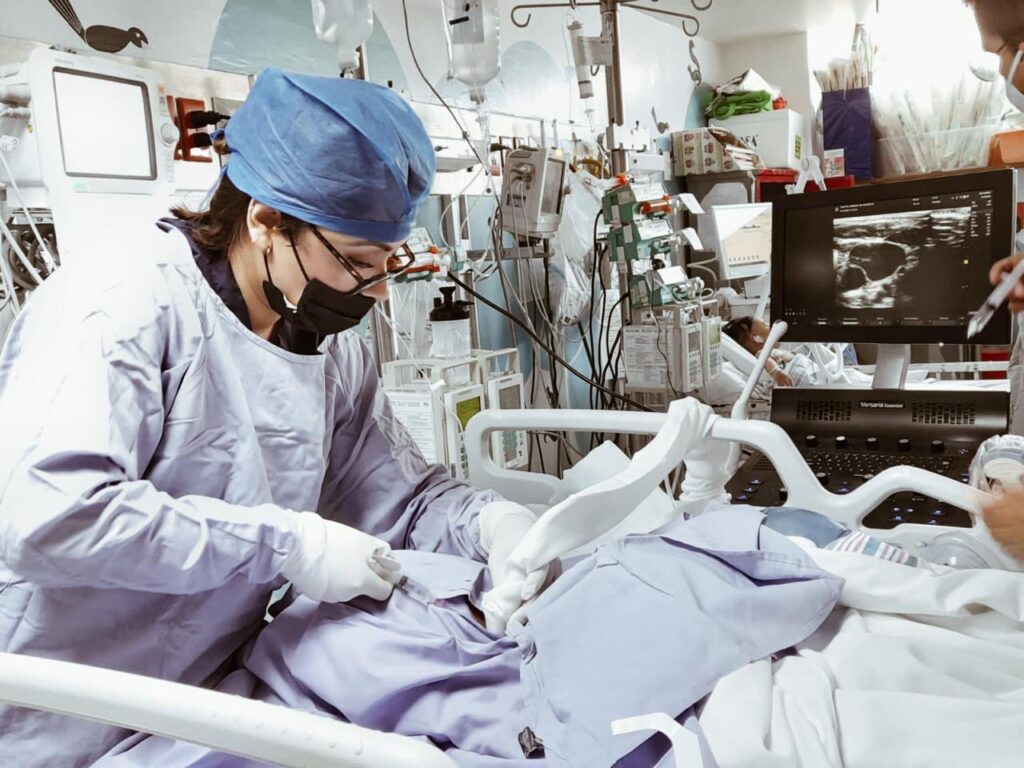
The PICU is defined by its ability to provide high-level intervention that is simply unavailable in a standard ward. When a child is admitted for respiratory failure, our team employs a tiered approach to oxygenation and ventilation.
High-Flow Nasal Cannula (HFNC): This is often the first step in advanced support. HFNC delivers heated and humidified oxygen at higher flow rates than standard nasal prongs, providing "dead space" washout and a small amount of positive end-expiratory pressure (PEEP) to keep the lungs open.
Non-Invasive Ventilation (CPAP/BiPAP): If HFNC is insufficient, we use masks that provide continuous or bilevel pressure. They assist the child's breathing without the need for an invasive tube.
Mechanical Ventilation: In the most severe cases of respiratory failure, a child may require intubation. Our PICU uses state-of-the-art ventilators that allow for lung-protective strategies. This approach provides the necessary life support while minimizing the risk of ventilator-induced lung injury.
Throughout these interventions, advanced monitoring is constant. We track hemodynamic stability, oxygen saturation, and end-tidal CO2 levels in real time. This data allows our multidisciplinary team to make split-second adjustments to the treatment plan. It ensures that each intervention is calibrated to the child's physiological needs.
From Crisis to Recovery: Post-ICU Care and Growth & Development Monitoring
The recovery journey does not end when the ventilator is removed. The transition from the PICU back to the home environment is a delicate phase. Severe respiratory illnesses can have a lasting impact on a child’s stamina, lung function, and nutritional status.
This is why our model of advanced care pediatrics includes a dedicated focus on Post-ICU Care. During this phase, we prioritize rigorous growth and development monitoring. A child who has spent weeks fighting a severe infection may experience temporary developmental regressions or a plateau in weight gain.
By integrating post-ICU follow-ups with routine pediatric care, we ensure that your child is not just "healed" from the infection but is thriving in their overall development. For parents who are unsure if their child's current symptoms warrant this level of care, understanding what is pediatric critical care can provide much-needed context on the levels of intervention available.
If your child has recently been hospitalized for a respiratory illness or if you have concerns about their long-term lung health, do not navigate the recovery alone. Contact us today to schedule a comprehensive Post-ICU consultation and ensure your child’s growth remains on track.
Hi, this is a comment.
To get started with moderating, editing, and deleting comments, please visit the Comments screen in the dashboard.
Commenter avatars come from Gravatar.