Recognizing the Signs a Child Needs Intensive Care
As a parent, your intuition is one of your most powerful tools. However, during a medical crisis, recognizing the clinical signs a child needs intensive care can make the difference between a routine recovery and a life-threatening situation.
At Jaqueline De Loera Lamas Pediatrics, our mission is to empower parents with the knowledge they need to recognize when acting fast is the only option.
Identifying Critical Red Flags: Breathing, Level of Consciousness, and High Fevers
Children are resilient, but they also have a tendency to "compensate" well until they suddenly don't.
A child might look relatively stable for a long time, using every ounce of energy to maintain their vital functions, before reaching a "tipping point." Recognizing the red flags before this crash occurs is essential for pediatric emergency care.
1. Respiratory Red Flags (Work of Breathing):
- Retractions: Look at the base of the throat or under the ribcage. If the skin is "sucking in" with every breath, the child is working too hard.
- Nasal Flaring: If the nostrils are widening significantly during inhalation, it is a sign of respiratory distress.
- Grunting: This is a rhythmic sound made during exhalation; it is the child's way of trying to keep their own airways open.
2. Neurological Red Flags (Level of Consciousness):
- Extreme Lethargy: This is not just "being tired." If you cannot wake your child for a feeding or if they are unable to recognize you, their brain may not be receiving enough oxygen or glucose.
- Inconsolable Irritability: If a child cannot be settled by their primary caregiver, it can indicate severe pain or neurological distress.
3. Circulatory Red Flags (High Fevers and Perfusion):
- Poor Capillary Refill: Press on your child's fingernail until it turns white. If it takes longer than 2 seconds to turn pink again, their circulation may be compromised.
- Mottled Skin: A "lacy" or purple pattern on the skin can be a sign of shock.
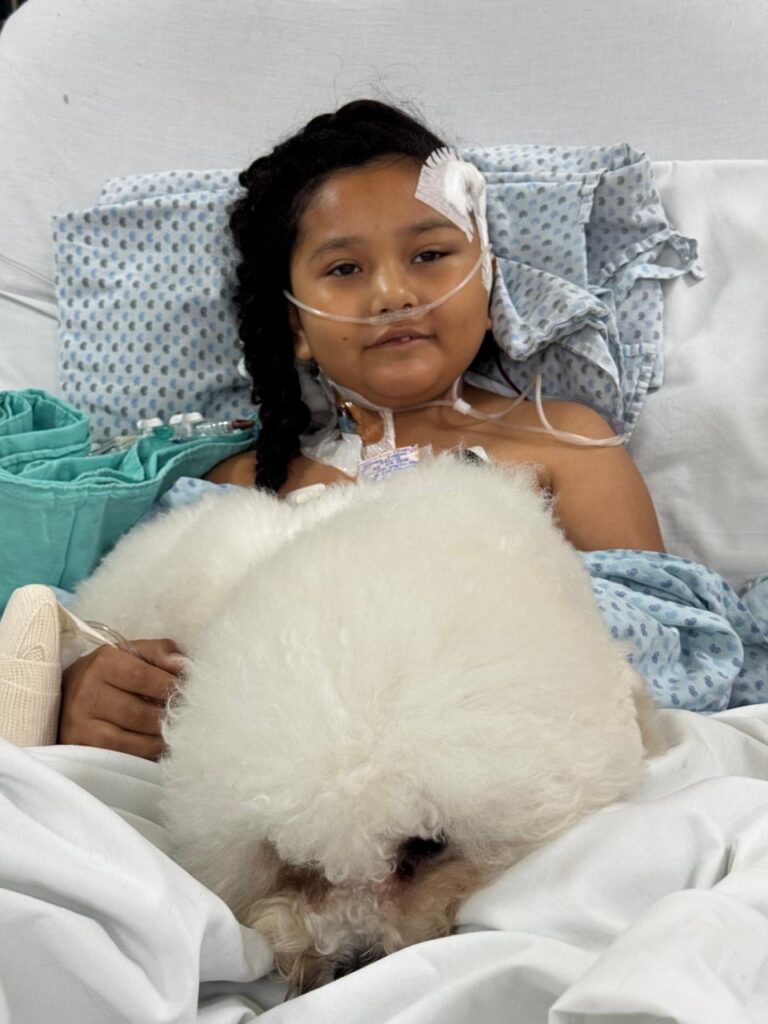
When Seconds Count: Navigating Pediatric Emergency Care
If you recognize any of the signs above, the situation has moved beyond a standard pediatrician near me inquiry. You are now in the realm of emergency stabilization.
Immediate Triage: Do not wait for a callback from a nurse line. If your child is struggling to breathe or is unresponsive, call emergency services (911) immediately.
The ABCs: Emergency responders will focus on Airway, Breathing, and Circulation. They may provide supplemental oxygen or fluid resuscitation on the way to the hospital.
The Transition to the PICU: Upon arrival at the emergency department, a specialized pediatric intensive care unit team may be paged to take over. This team is expert in "stabilizing the unstable."Understanding the specific pediatric ICU treatment for respiratory infections can help you prepare for what the doctors might suggest if your child's emergency is breathing-related.
The Critical Care Difference: How Our PICU Team Stabilizes Your Child
When a child enters our care in an emergency, we use a multidisciplinary approach to rapid stabilization. This approach is the hallmark of advanced pediatric care for serious illnesses.
Stabilization involves more than a single doctor. It requires a coordinated effort among pediatric intensivists, respiratory therapists, and specialized nurses. We may use hemodynamic monitoring to check blood pressure internally. We also use bedside ultrasound to assess heart and lung function in real time.
This "precision medicine" allows us to treat the root cause of the emergency, whether it is sepsis, trauma, or severe asthma, while supporting the child's vital organs. Our goal is to move the child from a state of crisis to a manageable recovery as quickly and safely as possible.