What is Pediatric Critical Care?
In the world of parenting, the word "critical" usually signals a moment of profound fear. However, in medicine, pediatric critical care is more than a department. It is a higher standard of vigilance, technology, and specialized expertise. This specialty is designed to protect a child's life during their most vulnerable moments.
At Jaqueline De Loera Lamas Pediatrics, we believe that understanding its scope can transform fear into a sense of security.
Defining Pediatric Critical Care Medicine: Specialized Support for Serious Illness
Pediatric Critical Care Medicine is a subspecialty focused on the management of life-threatening conditions in infants, children, and adolescents. A general pediatrician is like a primary care architect. A pediatric intensivist is the "structural engineer" who steps in when the foundation is under immediate threat.
A pediatric intensive care unit (PICU) has a much lower nurse to patient ratio than a general floor, often 1:1 or 1:2. This ratio allows for continuous, minute-by-minute monitoring.
Our unit is equipped to handle complex conditions, including:
Septic Shock: Severe infections that cause blood pressure to drop.
Post-Operative Recovery: Monitoring children after major heart, brain, or abdominal surgeries.
Status Epilepticus: Prolonged seizures that require intensive medication management.
Organ Failure: Providing advanced support for the heart, kidneys, or lungs.
By providing advanced pediatric care for serious illnesses, we give the child's body the time it needs to heal from injury or illness.
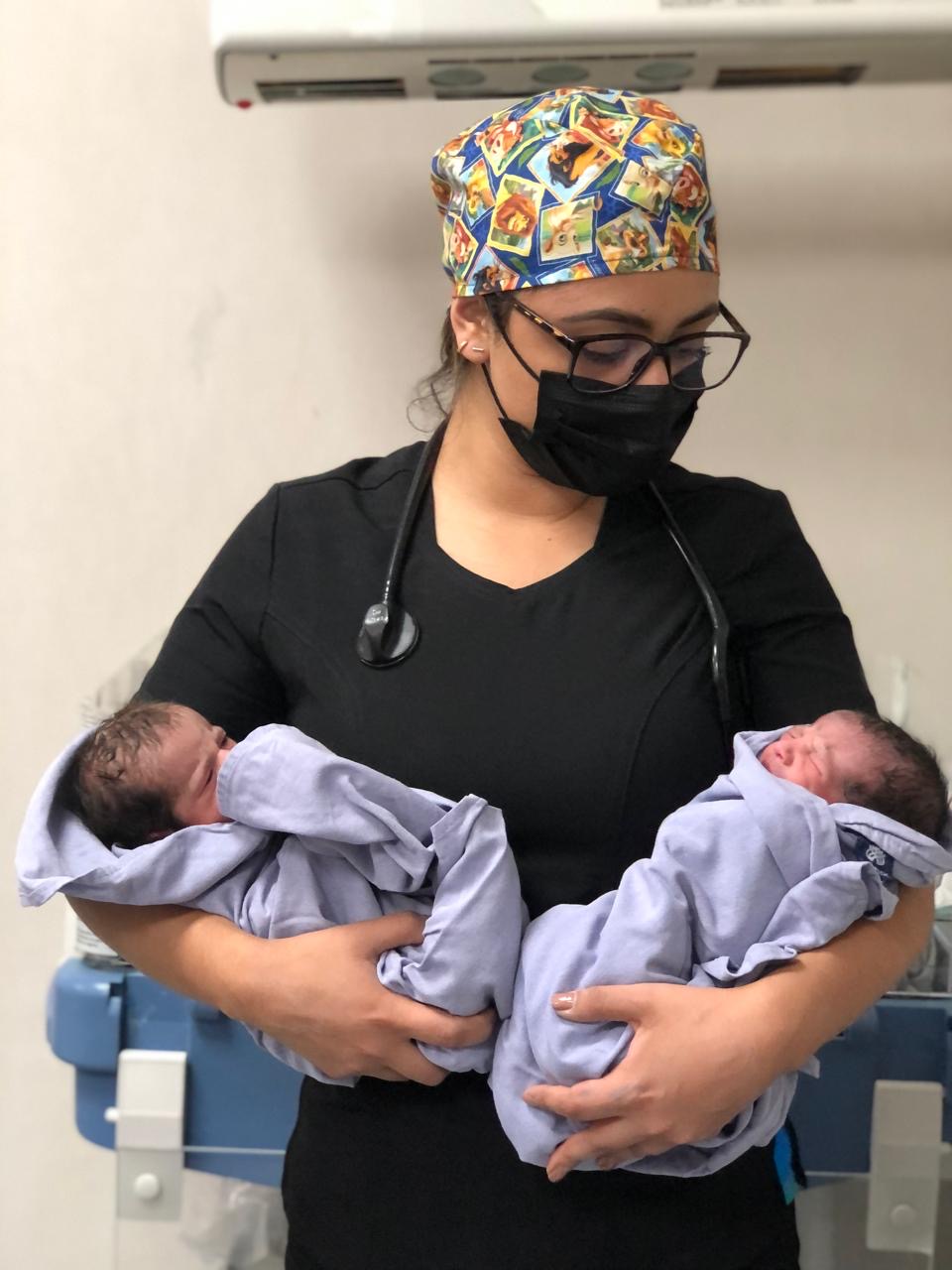
The Difference Between Routine Consultation and Intensive Care Intervention
It is vital for parents to understand how these two worlds of medicine interact to provide a complete "safety net" for their child.
The Foundation: Routine Pediatric Consultation
Routine care, such as well-child checkups, vaccinations, and growth monitoring, is proactive. It focuses on the long-term trajectory of a child’s health. Your local pediatrician near me is your partner in preventing illness and ensuring your child hits their milestones. This is where the medical history is built a history that becomes vital if a crisis ever occurs.
The Intervention: Intensive Care
Critical care is reactive and escalatory. It is required when a child’s condition exceeds the capabilities of an outpatient clinic or a general hospital ward. The shift from routine to critical care is marked by the need for continuous intervention, such as intravenous vasopressors to maintain blood pressure or advanced respiratory support. Having a physician like Dr. Lamas, who is an expert in both fields, ensures that the child is never "lost in transition" between wellness and the PICU. For more on the specific symptoms that bridge these two worlds, read our guide on signs a child needs intensive care.
Our Compassionate Approach: Keeping Families Informed and Supported
Technical excellence is only half of the equation in critical care. The other half is the compassionate approach to family-centered care. We recognize that when a child is in the PICU, the parents are also in a state of crisis. Our multidisciplinary team includes not just medical experts, but also social workers, child life specialists, and chaplains, all dedicated to supporting the emotional health of the family.
We prioritize:
- The Daily Rounds: Including parents in the morning "rounds" where the day's medical plan is discussed.
- Transparent Communication: Using clear, non-jargon language to explain test results and prognosis.
- Physical Presence: Encouraging parents to stay at the bedside, as their presence is a vital part of the child's healing process.This integrated approach ensures that while we are treating the child's physical condition with the latest evidence-based medicine, we are also honoring the bond between parent and child.