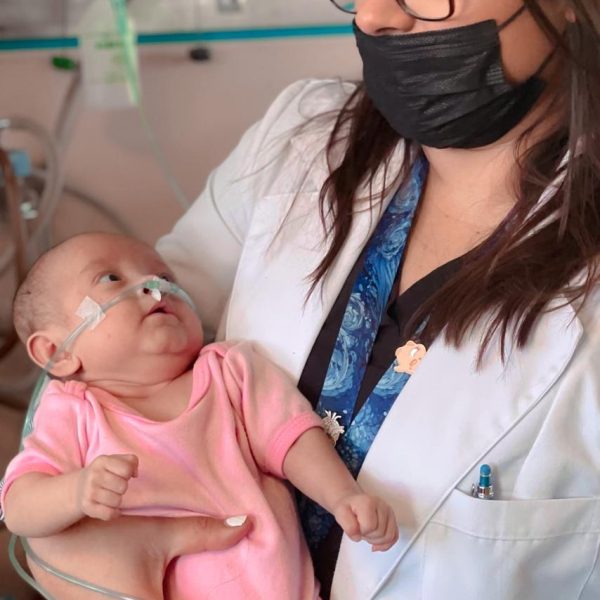
How often should I take my child for check-ups?
Regular pediatric visits are important to monitor your child’s growth, development, nutrition, and overall health. Well-child visits are typically recommended:
- During the newborn period
- At regular intervals during infancy
- Annually during childhood and adolescence
These visits also help ensure vaccines are up to date and allow early detection of health concerns.
Signs of healthy growth in children
Every child grows at their own pace, but healthy growth often includes:
- Steady weight and height gain
- Age-appropriate development
- Healthy eating habits
- Good energy levels and activity
- Adequate sleep
- Social and emotional progress
Routine pediatric evaluations help track growth and developmental milestones over time.
Fever: when should I be concerned?
Fever is a common response to infection and is not always dangerous. However, medical evaluation may be needed if your child has:
- Difficulty breathing
- Extreme sleepiness or irritability
- Signs of dehydration
- Persistent fever
- Seizures
- Poor feeding
- Fever in a very young infant
Parents should also seek care if they feel their child appears unusually ill.
Cough in children: what to do and what to avoid?
Coughing helps clear the airways and is common during respiratory infections.
What you can do:
- Encourage hydration
- Use saline drops if recommended
- Keep the child comfortable and rested
- Follow medical advice for symptom relief
What to avoid:
- Giving medications without medical guidance
- Exposure to smoke
- Home remedies not recommended by healthcare professionals
Medical evaluation is important if the cough is severe, persistent, or associated with breathing difficulty.
Vaccination schedule
Vaccines help protect children from serious infectious diseases and are an essential part of preventive pediatric care.
Following the recommended vaccination schedule helps:
- Strengthen the immune system
- Prevent complications from infections
- Protect both the child and the community
Your pediatrician can guide you on the appropriate vaccines based on your child’s age and health needs.
Complementary feeding
Complementary feeding begins when infants are developmentally ready for foods in addition to breast milk or formula.
Key recommendations include:
- Introducing nutritious foods gradually
- Offering a variety of textures and flavors
- Encouraging healthy eating habits early
- Monitoring for possible food reactions
A balanced diet supports healthy growth and development during infancy and childhood.
Pediatric constipation
Constipation is common in children and may cause discomfort, abdominal pain, or changes in bowel habits.
Common contributing factors include:
- Low fiber intake
- Inadequate hydration
- Changes in routine or diet
- Stool withholding behaviors
Healthy eating habits, fluids, and medical guidance can help improve symptoms and bowel regularity.
Common respiratory infections
Respiratory infections are frequent during childhood and are often caused by viruses. Common symptoms may include:
- Cough
- Nasal congestion
- Fever
- Sore throat
- Mild breathing discomfort
Most infections improve with supportive care, rest, and hydration. However, medical attention may be necessary if symptoms worsen or breathing difficulties develop.