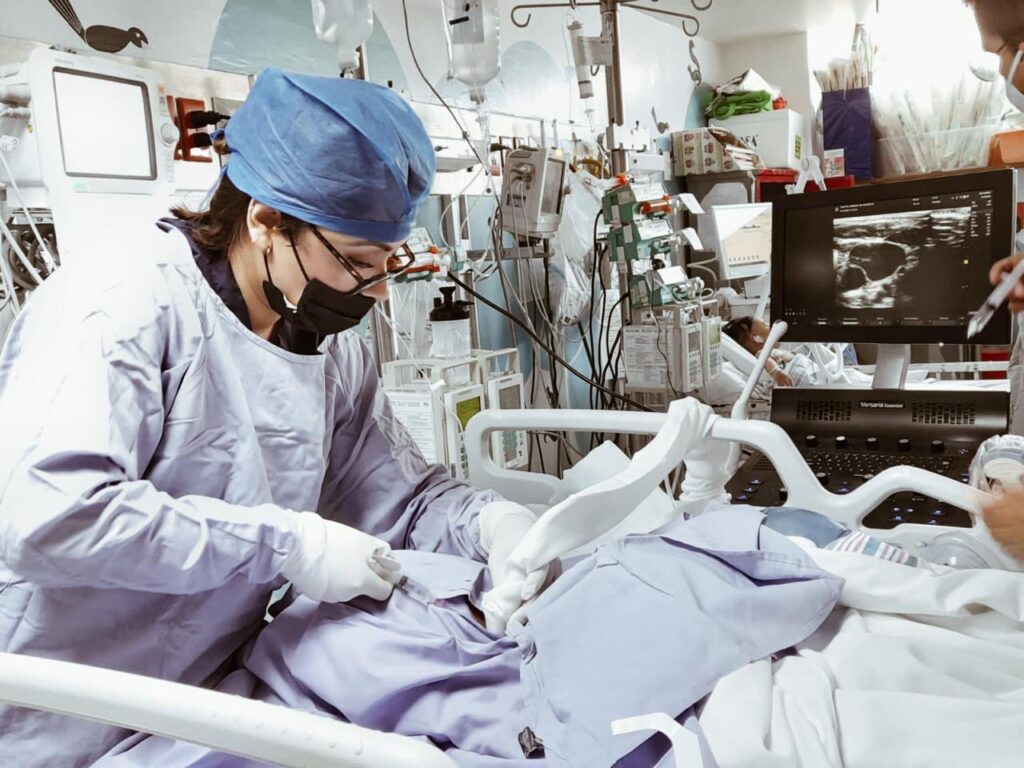
What is a Pediatric Intensive Care Unit (PICU)?
A Pediatric Intensive Care Unit (PICU) is a specialized hospital unit dedicated to caring for critically ill infants, children, and adolescents who require advanced monitoring and life-support treatments.
The PICU is staffed by highly trained healthcare professionals, including pediatric intensivists, nurses, respiratory therapists, and multidisciplinary specialists who provide around-the-clock care.
When does a child require intensive care?
A child may require intensive care when they are experiencing a serious illness or medical condition that needs close monitoring or advanced support. Common reasons include:
- Severe respiratory illness
- Serious infections or sepsis
- Major trauma or injury
- Neurological emergencies
- Complications after surgery
- Heart or organ dysfunction
- Severe asthma attacks
The goal of intensive care is to stabilize the child and support recovery in a highly monitored environment.
What does it mean for a child to be intubated?
Intubation is a medical procedure in which a breathing tube is placed into a child’s airway to help them breathe safely. The tube is connected to a ventilator, a machine that assists or temporarily takes over breathing when the lungs need support.
Intubation may be necessary during severe illness, surgery, or respiratory failure and is carefully monitored by the critical care team.
What is pediatric sepsis?
Pediatric sepsis is a serious condition caused by the body’s overwhelming response to an infection. It can affect multiple organs and may become life-threatening if not treated promptly.
Possible signs of sepsis include:
- Fever or abnormally low temperature
- Fast breathing or heart rate
- Extreme fatigue
- Confusion or unusual sleepiness
- Pale or mottled skin
- Poor feeding or dehydration
Early recognition and treatment are essential to improve outcomes.
ICU monitors explained
Children in the PICU are connected to monitors that allow the healthcare team to continuously assess vital functions, including:
- Heart rate
- Oxygen levels
- Blood pressure
- Breathing rate
- Temperature
These monitors help detect changes quickly and support safe, timely medical care. Not every alarm indicates an emergency, as some alerts are designed for routine monitoring adjustments.
Common myths about intensive care
Myth: “A child in the ICU will not recover.”
Fact: Many children recover successfully with specialized intensive care support.
Myth: “Machines replace medical care.”
Fact: Technology assists monitoring and treatment, but care is led by highly trained healthcare professionals.
Myth: “Parents cannot be involved.”
Fact: Families are an important part of a child’s emotional support and recovery process.
Myth: “Intensive care is only for surgery patients.”
Fact: Children may require intensive care for many medical conditions, including infections, respiratory illnesses, and neurological emergencies.
How to support parents in the ICU
Having a child in intensive care can be emotionally overwhelming for families. Supportive care for parents may include:
- Clear and compassionate communication
- Encouraging questions and participation in care
- Providing emotional reassurance
- Promoting rest and self-care
- Offering guidance throughout the recovery process
Family-centered care is an essential part of pediatric intensive care medicine.