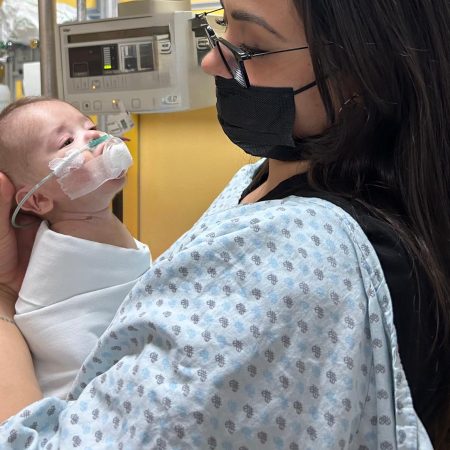
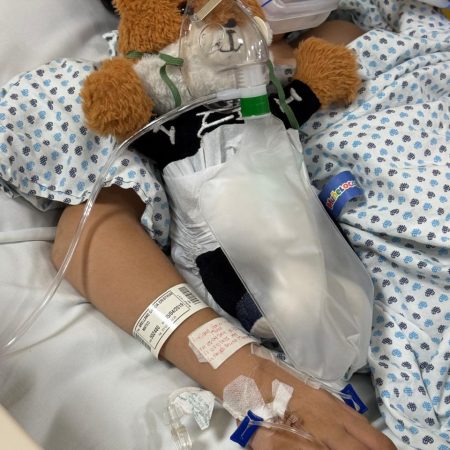
My Child Was Discharged from the ICU — What Comes Next?
Leaving the ICU is an important milestone, but recovery may continue at home for days or weeks. Some children may need follow-up visits, medications, rehabilitation, nutritional support, or emotional care after a critical illness.
Parents should monitor:
- Energy levels and appetite
- Breathing changes
- Sleep patterns
- Mood or behavior changes
- Physical strength and mobility
Regular follow-up with your pediatrician or specialist helps ensure a safe and healthy recovery.
Post-Hospitalization Fatigue
It is common for children to feel tired or weak after a prolonged hospitalization or critical illness. Recovery takes time as the body rebuilds strength and energy.
Helpful measures include:
- Adequate rest
- Balanced nutrition and hydration
- Gradual return to normal activities
- Following medical recommendations
If fatigue becomes severe or persistent, medical evaluation may be necessary.
Muscle Loss After an ICU Stay
Children who spend time in intensive care may experience temporary muscle weakness due to prolonged bed rest or severe illness. This can affect walking, balance, and daily activities.
Recovery may involve:
- Physical rehabilitation
- Gentle movement and exercise
- Proper nutrition
- Ongoing monitoring by healthcare professionals
Most children improve gradually with time and support.
Sleep Disturbances After Hospitalization
Changes in sleep patterns are common after hospitalization or intensive care. Some children may experience:
- Difficulty falling asleep
- Nightmares
- Frequent waking
- Anxiety at bedtime
Creating a calm bedtime routine, maintaining regular sleep schedules, and providing reassurance can help improve sleep during recovery.
Signs of Stress in Children and Parents
A critical illness can affect the emotional well-being of both children and families. Signs of stress may include:
In children:
- Irritability or mood changes
- Fear or clinginess
- Sleep difficulties
- Changes in appetite
- Withdrawal or sadness
In parents:
- Anxiety or excessive worry
- Emotional exhaustion
- Difficulty sleeping
- Feeling overwhelmed
Emotional support, open communication, and professional guidance can be beneficial during the recovery process.
Pulmonary Recovery at Home
After respiratory illness or intensive care, some children may need extra support to regain normal lung function. Recovery may include:
- Breathing exercises
- Adequate hydration
- Gradual physical activity
- Avoiding smoke exposure
- Monitoring for breathing difficulties
Parents should seek medical attention if they notice worsening cough, breathing difficulty, bluish lips, or persistent low oxygen levels.